I Thought Soft Poop Was Normal. Then a Vet Revealed What Was Really Happening
It started with the smell.

That unmistakable, sour odor whenever Bruno did his business. The kind that makes you hold your breath while you fumble with the poop bag.
Bruno is my 6-year-old Labrador. My best friend. My hiking buddy. The one who greets me at the door like I've been gone for years, even when I just went to check the mail.

But something wasn't right.
His poop was always soft. Sometimes too soft. The kind you have to scrape off the grass because it won't come up in one piece.
I blamed the food. Changed brands three times. No difference.
I blamed the treats. Cut them out completely. Still the same.
I blamed stress, the weather, too much exercise, not enough exercise. I made excuses for months.
Then one evening, Bruno refused his dinner.
He just looked at it and walked away.
That had never happened before. Not once in six years.
The Wake-Up Call
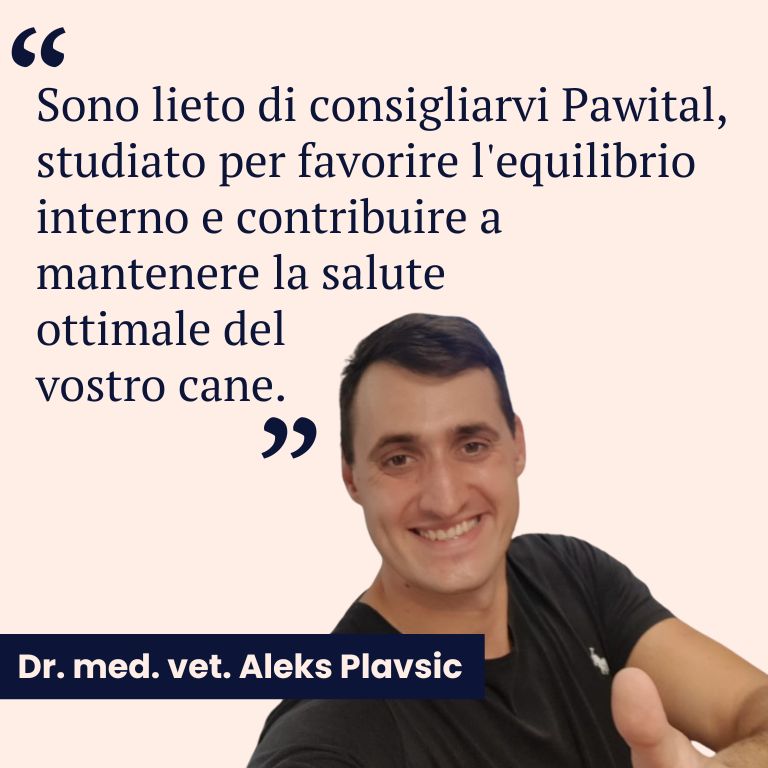
I took him to the vet the next morning. What she told me changed everything.

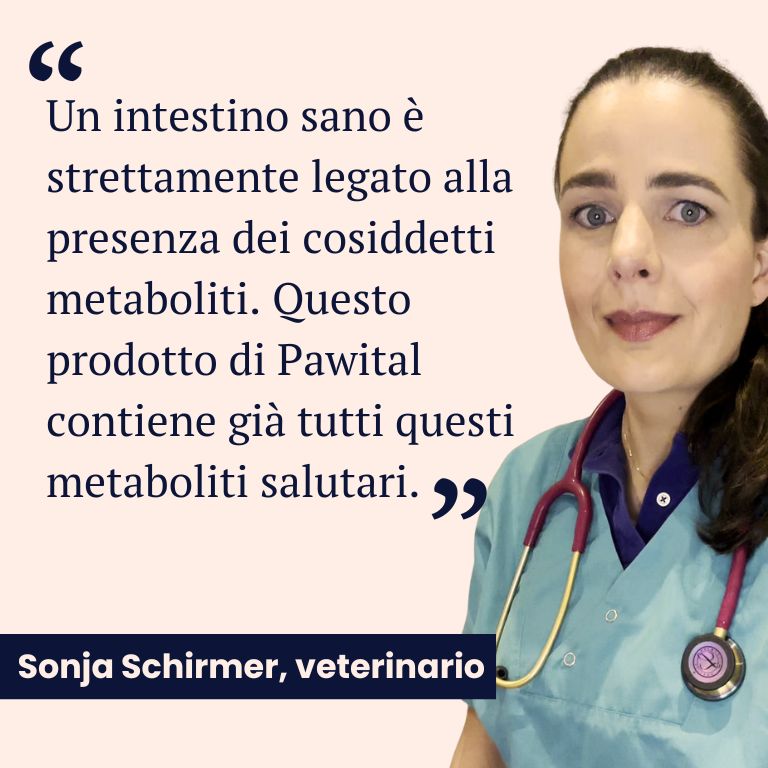
She explained that chronic soft stool isn't just inconvenient. It's a warning sign.
When the gut doesn't work properly, food passes through without being fully absorbed. The nutrients your dog needs — the vitamins, minerals, proteins — they're literally leaving the body in that soft, smelly mess.
Over time, this leads to malnutrition. Even if you're feeding the best food money can buy.
And that's not all.
She mentioned other consequences I'd never considered: chronic fatigue, lethargy, a weakened immune system, increased susceptibility to allergies, and even metabolic diseases down the road.
I felt terrible. All this time, I thought I was being a good dog owner. Turns out, I was missing the most important thing.
The Gut Controls Everything
The vet kept talking, and I kept learning.
She explained that 80% of a dog's immune system is located in the gut. When the gut is out of balance, the immune system suffers. Infections become more frequent. Allergies flare up. The body can't fight off what it normally would.
But here's what really surprised me.
The gut is directly connected to the brain. Something called the gut-brain axis.

I thought about Bruno. He'd been more anxious lately. Less excited about walks. Sleeping more than usual.
I'd chalked it up to him getting older.
But what if it was his gut all along?
My First Attempt at Probiotics
The vet recommended probiotics. So I went to the pet store that same day and picked up what looked like a reputable brand.
Probiotic treats. Easy to give. Bruno loved them.
I was optimistic.
Two weeks passed. Nothing changed.

A month. Still the same soft stools. Still that smell.
I was frustrated. Disappointed. Ready to give up.
Maybe probiotics just didn't work for Bruno.
The Shocking Truth About Probiotic Treats
At Bruno's follow-up appointment, I told the vet the probiotics hadn't helped.
She nodded, like she'd heard this a hundred times before.
"Did you check if they contain live probiotics?" she asked.
I didn't understand the question. Weren't all probiotics... alive?
She explained that most probiotic treats are made using high-heat processes. Temperatures that kill the beneficial bacteria before the product even reaches the shelf.
What I'd been giving Bruno for a month was essentially dead bacteria.

No wonder nothing changed.
I felt cheated. Misled by marketing claims that made me believe I was doing something good for my dog.
Finding Belly Biotics
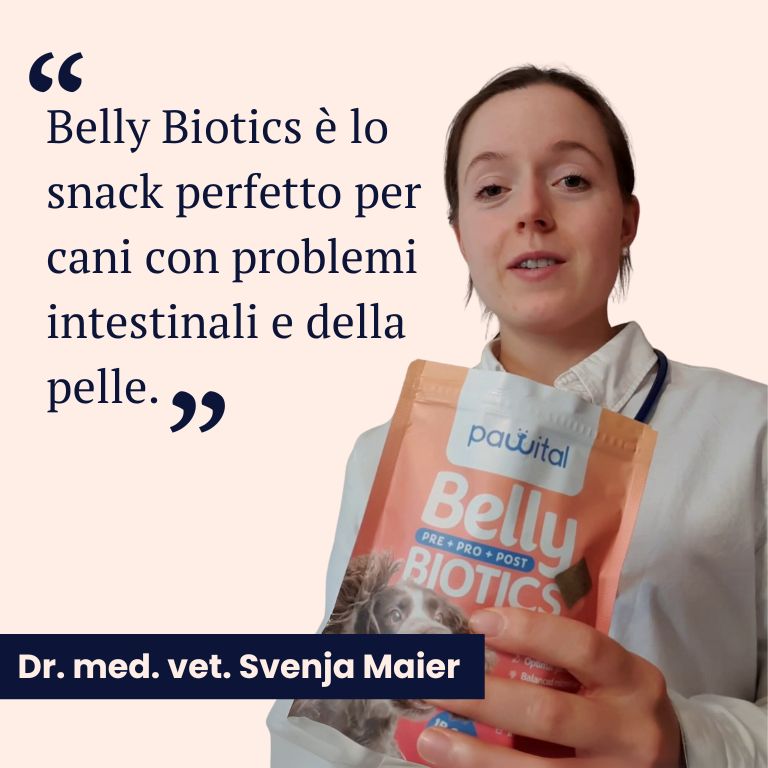
The vet mentioned she'd recently learned about a product that was different. A probiotic treat that actually guaranteed live bacteria through an innovative production process.

I looked it up that night.
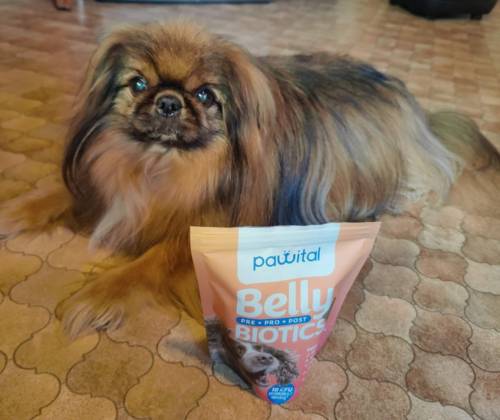
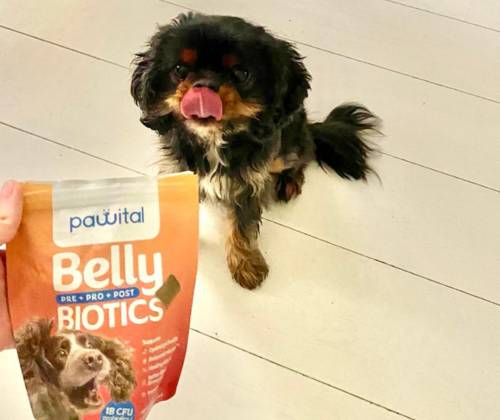
They use a cold-pressing method that protects the probiotics during manufacturing. Laboratory tests confirm one billion living microorganisms per serving for a 10 kg dog.
Not dead bacteria. Not "may contain" language. Actually alive and confirmed.
I ordered a jar that same night.
Why Belly Biotics Is Different
- Guaranteed alive probiotics. Each serving contains 1 billion CFU of living microorganisms — confirmed by independent laboratory testing.
- Complete 3-in-1 formula. Prebiotics to feed the good bacteria, probiotics to restore gut balance, and postbiotics for immediate immune support.
- Direct skin support. Contains turmeric, zinc, algae oil, and biotin for coat health and inflammation reduction.
- Dogs actually love them. A tasty treat format means no hiding pills, no fighting, no stress.
- Incredibly affordable. Starting at just €9.97 per month for dogs up to 10 kg.
The First Week
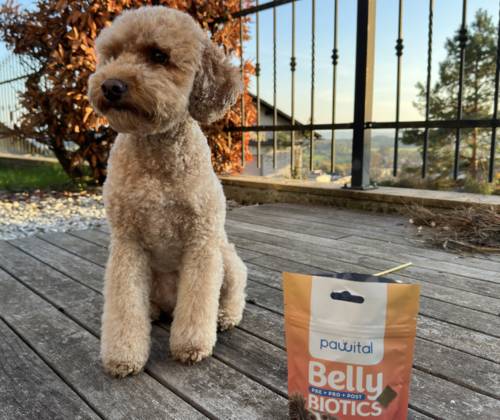
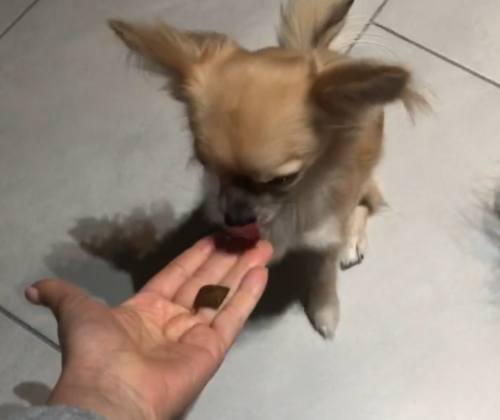
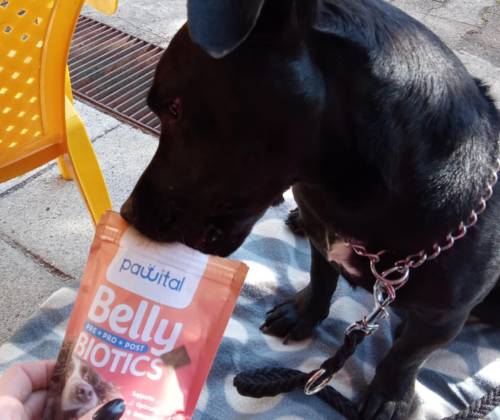
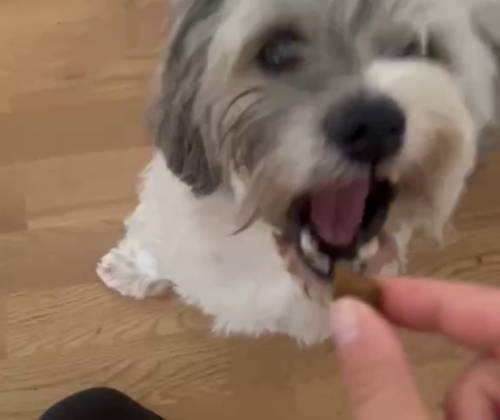
Bruno ate his first Belly Biotics treat right out of my hand. No hesitation. He looked at me like he wanted another one.
By day three, I noticed something.
His poop was firmer.

Not perfect yet. But noticeably better. And the smell? Less intense.
By the end of the first week, morning cleanup became simple again. One scoop. Clean pickup. No scraping.
I almost couldn't believe it.
Two Months Later
I'm writing this two months into our Belly Biotics journey.
Bruno is a different dog.
His digestion has completely normalized. Firm, healthy stools every single time.
But it's more than that.
He has energy again. Real energy. The kind where he brings me his leash unprompted, tail wagging, ready for adventure.

His coat is shinier. Softer to the touch.
And that anxious behavior? Gone. He's calmer. More relaxed. More... himself.
I didn't realize how much his gut problems had been affecting his entire wellbeing until they were gone.
That's exactly how I feel. Like I have my old Bruno back.
You Don't Have to Watch Your Dog Struggle
If your dog has soft stools, digestive issues, low energy, or just doesn't seem like themselves — please don't ignore it like I did.
The gut affects everything. Immunity. Mood. Energy. Skin and coat health.
And the solution might be simpler than you think.
But it has to be the right probiotics. Alive probiotics. Not the dead bacteria that most treats contain.
I'm just one person sharing my story. But I'm not the only one who's seen results.



Consigliato dai veterinari